
What are Meta Tags and how are they relevant to SEO?

In this article we are going to talk about What are meta tags and how are they relevant to SEO? In the world of search engine optimization (SEO), meta tags play a crucial role in optimizing web pages for better visibility and ranking in search engine results. Meta tags are snippets of text embedded in the HTML code of a webpage that provide information about the page’s content. They offer concise descriptions to search engines and website visitors, enabling both to understand the purpose and relevance of the page. In this article, we will explore what meta tags are, their different types, and why they are essential for SEO.

What are Meta Tags and how are they relevant to SEO?

In this article, we will explore what meta tags are, their different types, and why they are essential for SEO.

Understanding Meta Tags:

Meta tags consist of HTML tags that provide metadata or data about the webpage. They don’t directly affect how the page is displayed visually but are used by search engines and other applications to gather information. Meta tags are placed within the head section of the HTML code and are not visible on the actual webpage.

Types of Meta Tags:

1. Meta Title Tag

The meta title tag, also known as the title tag, is one of the most critical meta tags for SEO. The meta title tag specifies the webpage’s title, which is displayed as the clickable headline in search engine results. A well-crafted title tag should accurately describe the content of the page, contain relevant keywords, and be concise, compelling, and unique for each page.

2. Meta Description Tag

The meta description tag gives a short overview of what the webpage’s content is about. It appears below the title tag in search engine results and influences the click-through rate (CTR) of the page. While not a direct ranking factor, a compelling and keyword-rich meta description can entice users to click on the link and visit the webpage. It is advisable to keep the meta description concise, within 150-160 characters, and make it engaging and relevant to encourage user engagement.

3. Meta Keywords Tag

Previously, the meta keywords tag played a significant role in SEO, as it allowed website owners to specify relevant keywords related to their content. However, due to abuse and keyword stuffing, search engines no longer give much weight to this tag. Most search engines, including Google, have deprecated the meta keywords tag, meaning it doesn’t significantly impact search rankings.

Read Also: What is the Significance of Backlinks in SEO? 

4. Meta Robots Tag

The meta robots tag informs search engine crawlers about how to interact with the webpage. It provides instructions such as whether to index the page, follow its links, or display it in search results. Common values for the meta robots tag include “index” (allow indexing), “nofollow” (do not follow links on the page), “noindex” (do not index the page), and “noarchive” (do not store a cached copy of the page).

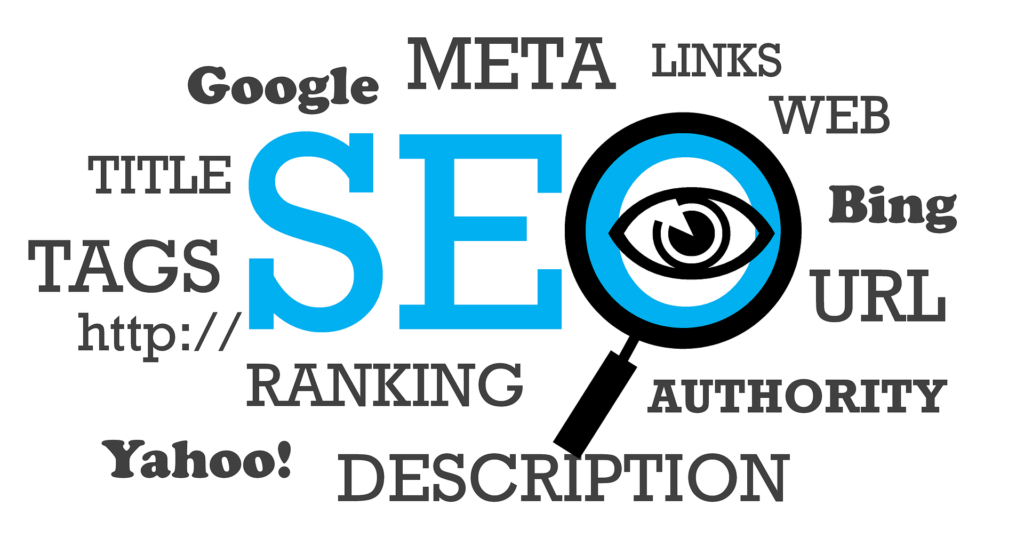
meta tags in digital marketing

Importance of Meta Tags for SEO:

1. Enhanced Search Engine Visibility

Well-optimized meta tags, particularly the title tag and meta description, can significantly improve a webpage’s visibility in search engine results. A compelling title tag can attract users’ attention and encourage them to click on the link, thereby increasing organic traffic. A concise and descriptive meta description can give users a clear idea of what to expect from the page, leading to higher CTR.

2. Keyword Optimization

Meta tags provide an opportunity to include relevant keywords related to the webpage’s content. While meta tags alone do not heavily influence search rankings, incorporating targeted keywords in the title tag and meta description can indirectly impact SEO by aligning the page with user search queries.

Read Also: How to improve your website’s loading speed for better SEO?

3. User Engagement and Click-Through Rates

Engaging and informative meta tags can entice users to click on the search result and visit the webpage. By providing accurate and enticing information in the meta tags, website owners can increase the likelihood of user engagement, reduce bounce rates, and improve overall user experience.

4. Social Media Sharing

When web pages are shared on social media platforms, meta tags, particularly the meta title and meta description, are often used as the default content for the shared link. Optimized meta tags can make the shared content more appealing, descriptive, and visually consistent, increasing the chances of engagement and click-throughs on social media platforms.
meta tags in wordpress

5. Branding and Consistency

Meta tags, especially the title tag, contribute to branding and establishing a consistent online presence. A well-crafted and consistent title tag across web pages can help users recognize and remember a brand. Consistent meta tags also contribute to a professional and organized website appearance.

You can also checkout this digital marketing institute to learn digital marketing course by enrolling in our course Or Contact Digital Bikana on +91-8949483728

Conclusion:

Meta tags are an integral part of SEO, providing important information about web page content to search engines and users. While their direct impact on search rankings may have diminished over time, well-optimized meta tags, including title tags and meta descriptions, can significantly enhance a webpage’s visibility, click-through rates, and user engagement. By understanding the relevance and best practices of meta tags, website owners can improve their SEO efforts and effectively communicate the value of their web pages to both search engines and users. So, Now I hope you have understood about What are Meta Tags and how are they relevant to SEO?


How to improve your website’s loading speed for better SEO?

In this article we are going to talk about How to improve your website’s loading speed for better SEO? In the world of SEO, website loading speed plays a crucial role in determining user experience, search engine rankings, and overall online success. A slow-loading website annoys visitors and hurts your SEO efforts.

How to improve your website’s loading speed for better SEO?

In this article, we will explore effective strategies to improve your website’s loading speed for better SEO performance. By implementing these techniques, you can enhance user satisfaction, increase organic traffic, and boost your website’s visibility in search engine results.

1. Optimize Image Files

Images are often the main culprits behind sluggish website performance. Optimizing image files is a key step in improving loading speed. Start by resizing images to the appropriate dimensions, ensuring they fit within the intended layout. Additionally, compress image files without compromising quality using tools like Adobe Photoshop or online services such as TinyPNG or Squoosh. By reducing image file sizes, you can significantly reduce the time it takes for images to load on your website, improving overall performance.

how to improve website loading speed

2. Minimize HTTP Requests

Each element on a webpage, including images, scripts, and stylesheets, requires a separate HTTP request to load. Minimizing these requests can drastically speed up your website. Combine multiple CSS and JavaScript files into a single file and use CSS sprites for images whenever possible. Furthermore, leverage browser caching to enable visitors’ browsers to store certain website files locally, reducing the need for repeated requests.

3. Enable Browser Caching

Browser caching allows visitors’ browsers to store certain website files, such as CSS, JavaScript, and images, locally. By enabling caching, returning visitors can load your website faster as their browsers retrieve files from the local cache instead of making new requests to the server. Implement caching by adding cache-control headers or configuring caching plugins if you are using a content management system (CMS) like WordPress.

Read Also: How to write a Blog post on WordPress website step by step?

4. Minify CSS, JavaScript, and HTML

Minifying involves removing unnecessary characters, such as whitespace, comments, and line breaks, from CSS, JavaScript, and HTML files. By doing this process, file sizes are reduced, which in turn improves the loading speed. Several online tools and plugins can automatically minify these files without altering their functionality. Keep in mind to create backups before making any changes and thoroughly test your website to ensure everything functions as intended.

5. Optimize Website Code and Database

Efficient and streamlined website code improves loading speed. Optimize your code by eliminating unnecessary plugins, scripts, and CSS styles. Regularly update your CMS and plugins to ensure they are optimized for performance. Additionally, optimize your website’s database by removing unnecessary data, spam comments, and revisions. Database optimization reduces the size of the database, resulting in faster query execution and improved loading speed.

6. Utilize Content Delivery Networks (CDNs)

Content Delivery Networks (CDNs) store your website’s files on multiple servers worldwide, delivering content to users from the server closest to their location. CDNs help reduce latency and improve loading speed by minimizing the distance data has to travel. Choose a reputable CDN provider and integrate it with your website to distribute static files, such as images, CSS, and JavaScript.

Read Also: What is the Significance of Backlinks in SEO? 

7. Evaluate and Optimize Web Hosting

The quality and performance of your web hosting provider have a direct impact on your website’s loading speed. Choose a hosting provider that offers fast servers, solid-state drives (SSDs), and scalable resources. Shared hosting can sometimes result in slower loading times due to sharing resources with other websites. Consider upgrading to a Virtual Private Server (VPS) or dedicated hosting if your website receives significant traffic.

how to increase website speed wordpress

8. Regularly Monitor and Test Website Speed

Monitor your website’s loading speed regularly using tools like Google PageSpeed Insights, GTmetrix, or Pingdom. These tools give you helpful information about areas where you can make improvements. Conduct tests to identify bottlenecks and assess the impact of optimizations you have implemented. Continuously monitor and optimize your website’s loading speed to ensure it remains fast and responsive.

You can also checkout this digital marketing institute to learn digital marketing course by enrolling in our course Or Contact Digital Bikana on +91-8949483728

Conclusion:

Improving your website’s loading speed is not only essential for providing an optimal user experience but also a key factor in search engine optimization. By following the strategies outlined in this guide, you can enhance your website’s loading speed, increase user satisfaction, and improve SEO performance. Optimize image files, minimize HTTP requests, enable browser caching, and minify CSS, JavaScript, and HTML. Additionally, optimize your website’s code and database, utilize content delivery networks (CDNs), choose a reliable web hosting provider, and regularly monitor and test your website’s speed. By prioritizing loading speed, you can gain a competitive edge, attract more organic traffic, and improve your website’s visibility in search engine rankings.

What is the Significance of Website Architecture in SEO?

In this article we are going to discuss what is the Significance of Website Architecture in SEO? Website architecture is a fundamental aspect of search engine optimization (SEO) that determines the organization, structure, and navigation of a website. It plays a pivotal role in enhancing search engine visibility, user experience, and overall website performance.

What is the Significance of Website Architecture in SEO?

In this comprehensive guide, we will explore the significance of website architecture in SEO, its impact on various ranking factors, and strategies to optimize your website’s structure for improved search engine rankings.

1. Efficient Crawling and Indexing

A well-designed website architecture facilitates efficient crawling and indexing by search engine bots. When search engines crawl a website, they follow links from page to page, discovering and analyzing content. A logical and organized website structure ensures that all pages are easily accessible and interconnected, enabling search engine crawlers to discover and index content more effectively. By providing clear and hierarchical navigation, incorporating XML sitemaps, and using proper internal linking, you can enhance the crawlability and indexability of your website.

Read Also: What is the difference between Organic and Paid search result?

2. User Experience and Engagement

Website architecture significantly impacts user experience and engagement, which are crucial factors in SEO. A well-structured website enables visitors to navigate effortlessly, find relevant information, and engage with your content. Intuitive menus, clear categorization, and logical site structure improve user satisfaction, reduce bounce rates, and encourage visitors to spend more time on your website. Search engines consider user behavior signals such as dwell time, bounce rates, and click-through rates when determining the quality and relevance of a website. Therefore, a user-friendly website architecture positively influences these signals, leading to better search engine rankings.

significance of designing websites

3. Keyword Targeting and Information Hierarchy

Effective keyword targeting and information hierarchy are essential for SEO success. A well-designed website architecture allows you to align specific keywords with relevant pages, optimizing each page for targeted search queries. By categorizing and organizing content into coherent sections and subtopics, you create a logical information hierarchy that signals to search engines the importance and relevance of each page. This helps search engines understand the context and topical relevance of your content, increasing the likelihood of ranking for relevant keywords.

4. Internal Linking and Page Authority

Website architecture facilitates strategic internal linking, which plays a crucial role in distributing page authority and improving search engine rankings. By linking related pages together, you pass link equity from high-authority pages to others, boosting their visibility in search results. An effective internal linking structure also improves user navigation, allowing visitors to easily discover and access relevant content. By incorporating contextual anchor text and using relevant keywords in internal links, you can further reinforce the topical relevance and importance of linked pages.

Read Also: How can you track and measure the success of your SEO efforts?

5. Mobile Responsiveness and Page Speed

In the mobile-first era, website architecture plays a vital role in mobile responsiveness and page speed optimization. With a significant portion of internet users accessing websites through mobile devices, search engines prioritize mobile-friendly websites in their rankings. A responsive website architecture ensures that your site adapts seamlessly to different screen sizes and resolutions, delivering an optimal user experience. Moreover, a well-structured website architecture allows for efficient code optimization, image compression, and caching, resulting in faster page load times. Page speed is a critical ranking factor, as it directly affects user experience and search engine crawl efficiency.

6. URL Structure and Site Accessibility

A clean and descriptive URL structure is not only user-friendly but also contributes to SEO. A well-organized website architecture allows for concise, keyword-rich URLs that provide a clear indication of the page’s content. Search engines prefer URLs that are easy to read, relevant, and memorable. By optimizing your URL structure within the website architecture, you enhance the accessibility and findability of your web pages, leading to better search engine rankings.

significance of website architecture in seo

7. Scalability and Site Updates

A robust website architecture is essential for scalability and easy site updates. As your website grows and evolves, having a scalable structure enables you to add new pages, categories, or sections without disrupting the overall organization. It also facilitates efficient content management and allows for easy site-wide updates or changes. With a well-structured website architecture, you can ensure that your website remains adaptable and manageable over time.

You can also checkout this digital marketing institute to learn digital marketing course by enrolling in our course Or Contact Digital Bikana on +91-8949483728

Conclusion:

In the realm of SEO, website architecture holds immense significance. It directly influences search engine crawling and indexing, user experience, keyword targeting, internal linking, mobile responsiveness, page speed, URL structure, and scalability. By optimizing your website’s architecture, you can enhance your chances of ranking higher in search engine results, attract more organic traffic, and deliver a seamless browsing experience to your visitors. Paying attention to website architecture is not only beneficial for SEO but also contributes to overall website usability and success. So, Now I Hope you have understood about What is the Significance of Website Architecture in SEO?

What is the Significance of User Experience in SEO?

In this article we are going to talk about What is the significance of user experience in SEO? In today’s digital landscape, search engine optimization (SEO) is crucial for businesses to improve their online visibility and attract organic traffic. While SEO strategies traditionally focused on keywords, backlinks, and technical optimization, the importance of user experience (UX) has gained significant recognition. User experience refers to the overall experience a user has when interacting with a website or digital platform.

What is the Significance of User Experience in SEO?

In this comprehensive article, we will explore the significance of user experience in SEO and how it impacts website rankings, user engagement, and overall online performance. By prioritizing user experience, businesses can create a positive impression, increase user satisfaction, and ultimately improve their SEO efforts.

1. Decreased Bounce Rate and Increased Dwell Time

A fundamental aspect of user experience is ensuring that visitors stay on a website for longer periods and explore multiple pages. A well-optimized website with a positive user experience reduces the bounce rate, which is the percentage of visitors who leave after viewing only one page. A lower bounce rate and increased dwell time (the amount of time users spend on a website) are strong signals to search engines that the website provides valuable and relevant content, leading to improved search engine rankings.

significance of user experience in seo

2. Improved Website Speed and Performance:

Website speed and performance have a significant impact on user experience and SEO. When users visit a website, they want it to load quickly. Search engines also give preference to websites that load fast when determining their rankings. A slow website frustrates users, leading to high bounce rates and decreased user engagement. Optimizing website speed by reducing page load times, optimizing images and code, and leveraging caching techniques not only enhances user experience but also improves SEO performance.

Read Also: How can you track and measure the success of your SEO efforts?

3. Mobile-Friendly Design and Responsiveness

With the exponential growth of mobile device usage, having a mobile-friendly website is essential. Search engines prioritize mobile-friendly websites in mobile search results, as they provide a better user experience for mobile users. Implementing responsive design, optimizing page layouts, and ensuring seamless mobile navigation contribute to a positive user experience, leading to improved SEO performance.

4. Engaging and Relevant Content

User experience and content quality go hand in hand. Search engines want to give users the best and most helpful information possible. By creating high-quality, well-structured, and engaging content that matches user intent, businesses can enhance user experience and increase their chances of ranking higher in search results. Factors such as readability, visual appeal, multimedia integration, and addressing user queries contribute to a positive user experience and improve the overall SEO performance of the website.

5. Navigation and Site Architecture

User-friendly navigation and clear site architecture are crucial for a positive user experience. Visitors should be able to find information easily and navigate through the website without confusion. Search engines consider user-friendly navigation and clear site architecture as indicators of a well-designed website, leading to improved search engine rankings.

Read Also: What is the difference between Organic and Paid search result?

6. User Engagement and Social Signals

User engagement metrics, including social shares, comments, likes, and time spent on a website, are increasingly important in SEO. When users have a positive experience on a website, they are more likely to engage with the content, share it on social media platforms, and interact with other users. When search engines see positive engagement on social media, such as likes and shares, they view it as a sign that the content is valuable and relevant, which can boost its rankings in search results.

significance of user experience in marketing

7. Website Usability and Accessibility

Ensuring that a website is user-friendly, accessible, and easy to navigate contributes to a positive user experience. User-friendly elements such as clear calls to action, intuitive menus, easy-to-understand forms, and responsive design enhance user satisfaction and engagement. Additionally, making a website accessible to all users, including those with disabilities, not only improves the user experience but also demonstrates a commitment to inclusivity and can positively impact SEO.

You can also checkout this digital marketing institute to learn digital marketing course by enrolling in our course Or Contact Digital Bikana on +91-8949483728

Conclusion:

In the ever-evolving digital landscape, user experience has become a critical aspect of successful SEO strategies. By prioritizing user satisfaction, optimizing website speed and performance, implementing a mobile-friendly design, creating engaging and relevant content, ensuring intuitive navigation, and fostering user engagement, businesses can enhance their website’s user experience and improve their SEO performance. Search engines strive to provide the best possible results to users, and websites that prioritize user experience are more likely to rank higher in search results. By consistently monitoring and improving user experience metrics, businesses can create a positive online presence, increase user engagement, and drive organic traffic to their websites. Embracing user experience as a fundamental component of SEO is key to achieving long-term success in the competitive digital landscape. So, Now I Hope you have understood about What is the Significance of User Experience in SEO?

What is Search Engine Optimization (SEO) in Digital Marketing?

In today’s digital world, where almost everything is happening online, businesses are constantly competing to gain more visibility on the internet. Search Engine Optimization (SEO) is one of the most critical aspects of digital marketing that helps businesses reach their target audience and stay ahead of their competition. In this article, we’ll explore what Search Engine Optimization (SEO) is, along with two of its essential components – On-page SEO and Off-page SEO.

What is Search Engine Optimization (SEO) in digital marketing?

Search Engine Optimization (SEO) is a process that involves optimizing a website to improve its ranking on various search engines, including Google, Bing, Yahoo, and others. When users perform organic searches on these search engines, the results are displayed based on the relevance and authority of the websites. The objective of SEO is to improve the relevance and authority of a website, so it appears higher in search results. This, in turn, helps businesses attract more organic traffic, leads, sales, and revenue.

What is Search Engine Optimization (SEO) in Hindi?

SEO covers a wide range of strategies, techniques, and tactics to optimize a website for search engines. These strategies can be broadly divided into two categories – On-page SEO and Off-page SEO. To know what is search engine optimization (SEO) in Hindi watch the below video:

What is On-page SEO?

On-page SEO refers to the optimization techniques that are implemented on a website’s content and elements. The objective of On-page SEO is to make a website easy for search engine crawlers to understand and index. Here are some of the essential On-page SEO techniques that a business should implement to optimize their website:

Keyword Research

Keyword research is the foundation of On-page SEO. It involves analyzing and selecting the right keywords that are relevant to your business and your target audience. Once you have selected the keywords, you can incorporate them into your website’s content, meta tags, images, and other on-page elements.

Title Tags

Title tags are an essential on-page element that describes the content of a web page. The Title tags appear in search engine results as a clickable headline. It is important to optimize title tags with relevant keywords to make them more appealing to users and search engines.

Meta Descriptions

Meta descriptions are a short summary of the content on a web page that appears under the title tag in search engine results. A well-written meta description can help to entice users to click through to your website. It is important to optimize meta descriptions with relevant keywords and a clear CTA.

What is Search Engine Optimization

Header Tags

Header tags help to break up content into sections and provide structure to the content. It is important to use header tags such as H1, H2, and H3 to optimize content for search engines and users.

Content Optimization

Content optimization involves creating high-quality, relevant, and engaging content that provides value to users. It is essential to optimize content with relevant keywords, images, videos, and other multimedia elements to improve its ranking on search engines.

Page Speed

Page speed is a crucial on-page SEO factor that affects the user experience and search engine ranking of a website. It is important to optimize pages for faster loading times by compressing images, minifying CSS and Javascript, using caching, and other techniques.

You can also checkout this digital marketing institute to learn digital marketing course by enrolling in our course.

Or Contact us on +91-8949483728

What is Off-page SEO?

Off-page SEO refers to the optimization techniques that are implemented outside of a website to improve its ranking on search engines. The objective of Off-page SEO is to increase the authority, popularity, and relevance of a website by generating backlinks and other external signals. Here are some of the essential Off-page SEO techniques that a business should implement to optimize their website:

Link Building

The act of building links is commonly referred to as link building, which involves the process of attaining backlinks to a website. Backlinks refer to hyperlinks from other websites that directs traffic to your website. Backlinks are considered as a vote of confidence from other websites, indicating that your website has valuable content.

Social Media Marketing

Social media marketing is the process of promoting your website and content on social media platforms like Facebook, Twitter, LinkedIn, Instagram, and others. The Social media platforms are an excellent source of backlinks and can help to increase your website’s visibility and authority.

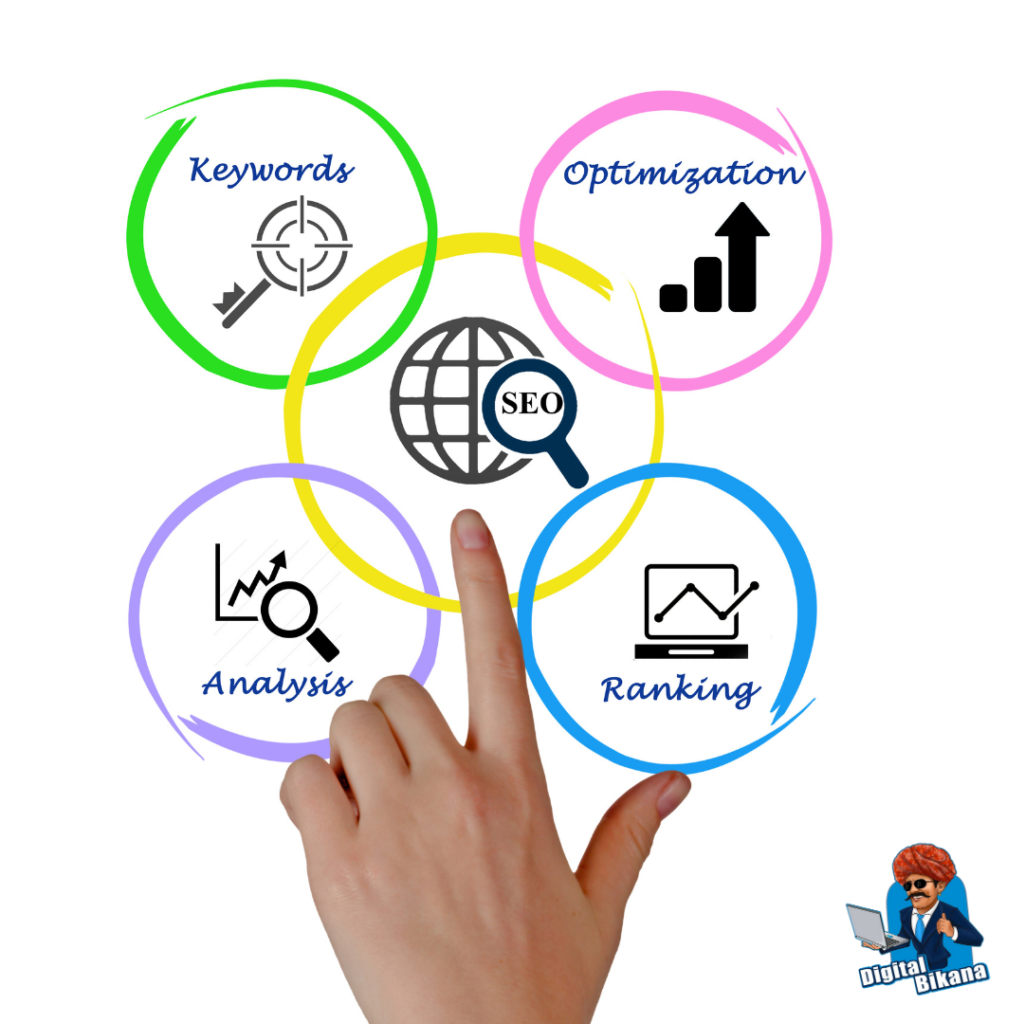
What is SEO

Influencer Marketing

Influencer marketing is the process of collaborating with influencers and experts in your industry to promote your website and content. Influencers have a large following on social media and can help to increase your website’s visibility and authority.

Guest Blogging

Guest blogging is the process of writing blog posts for other websites that link back to your website. The Guest blogging is an effective way to generate high-quality backlinks and improve your website’s relevance and authority.

Directory Listings

The Directory listings are online directories that provide information about your business and link back to your website. Directory listings can help to increase your website’s visibility and authority.

Conclusion

Search Engine Optimization (SEO) is an essential component of digital marketing that helps businesses reach their target audience and generate more leads, sales, and revenue. On-page SEO and Off-page SEO are two critical components of SEO that businesses should implement to optimize their website for search engines.

By implementing theseessential SEO techniques, businesses can improve their website’s ranking, increase visibility, and attract more organic traffic. Keyword research, title tags, meta descriptions, header tags, content optimization, and page speed are essential on-page SEO techniques that help to optimize a website’s content and structure. Link building, social media marketing, guest blogging, influencer marketing, and directory listings are essential off-page SEO techniques that help to increase a website’s authority, popularity and generate backlinks.

It is important to note that SEO is a continuous process that requires regular updates and improvements to stay ahead of the competition. So, if businesses want to succeed in the digital world, SEO is not an option, it is a must. So now I hope you have understood what is SEO (Search engine optimization) in digital marketing.